
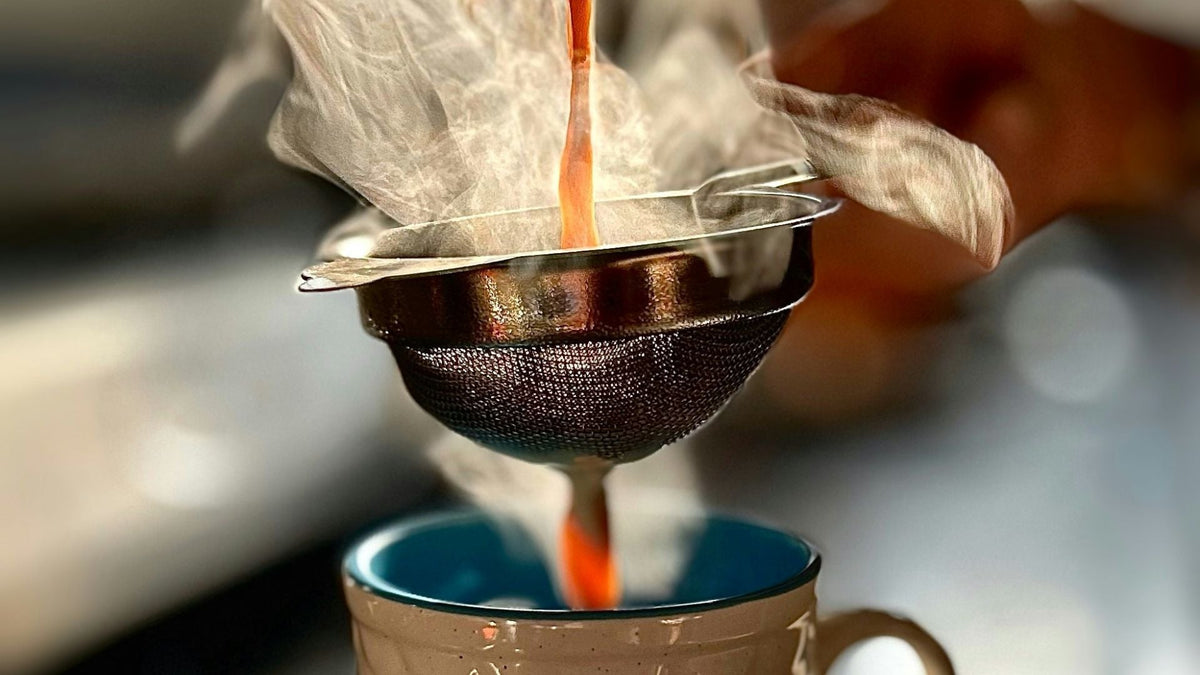
Why Strong Chai Doesn’t Always Mean Good Tea
Kadak is great. But there’s more to good chai.
If you drink chai regularly, you’ve probably judged it by one simple test—kitni kadak hai? The darker the colour, the sharper the hit, the better the tea… right?
Not always.
Strength is an important part of chai, especially when you enjoy a bold Assam brew. But strength alone doesn’t define quality. In fact, some of the strongest teas are also the least balanced.
So what actually makes a good cup of chai?
What Do We Really Mean by “Strong”?
For most people, strong chai means:
- A deep, dark colour
- A bold, punchy taste
- A brew that comes together quickly
And a lot of that comes down to how the tea is processed.
Most everyday chai uses the CTC method—where tea leaves are crushed into smaller particles. These smaller pieces release flavour quickly, giving you that instant strength and colour.
That’s what gives chai its familiar “kadak” character.
Where Strength Falls Short
Here’s the catch: when tea is made purely for strength, a few things get lost.
You might notice:
- Bitterness that overpowers everything else
- A flat, one-note taste
- Very little aroma or aftertaste
In these cases, the tea isn’t strong because it’s well-made.
It’s strong because it extracts quickly.
And those are two very different things.
What Actually Makes Tea “Good”
A good cup of chai doesn’t just hit hard—it holds together.
That comes down to the leaf.
The most flavourful part of the tea plant is the top two leaves and the bud—often called fine leaves. These are more tender, more aromatic, and more complex in flavour.
When tea is made using a higher proportion of these fine leaves, the difference shows up in the cup:
- Strength that feels rounded, not harsh
- A fuller, more layered taste
- A smoother finish, even with milk
It’s still bold. Just better balanced.
Why Sourcing Changes Everything
This is where how tea is grown starts to matter.
When tea is sourced from smaller growers, a few things change:
- Leaves are plucked more carefully—often just the top two leaves and the bud
- Harvesting happens in smaller batches
- There’s more attention at every step, from plucking to processing
It also changes the economics. When growers are paid fairly—often significantly more than standard estate prices—they can focus on quality instead of volume.
That care carries through to the final cup.
A Strong Tea, Made Better
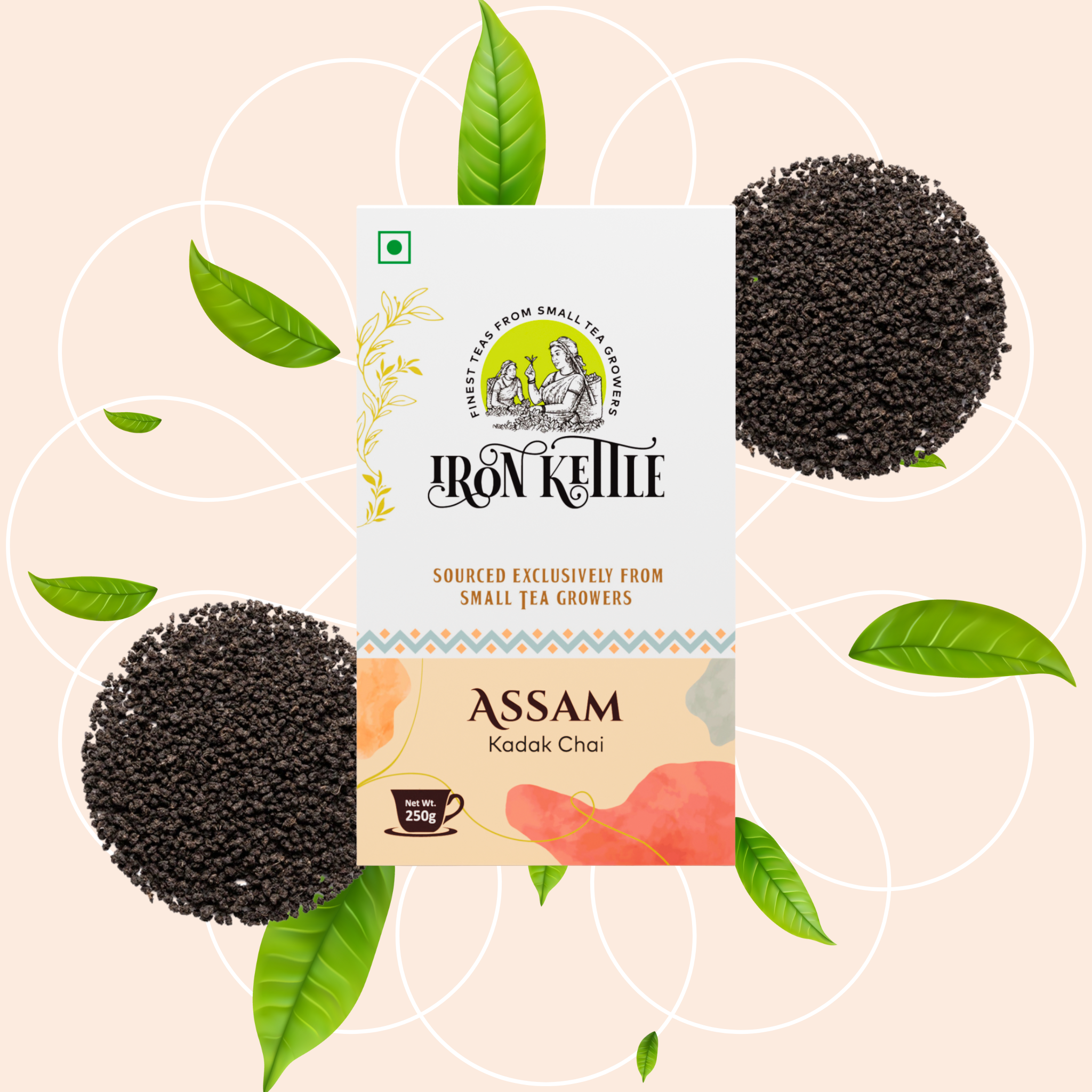
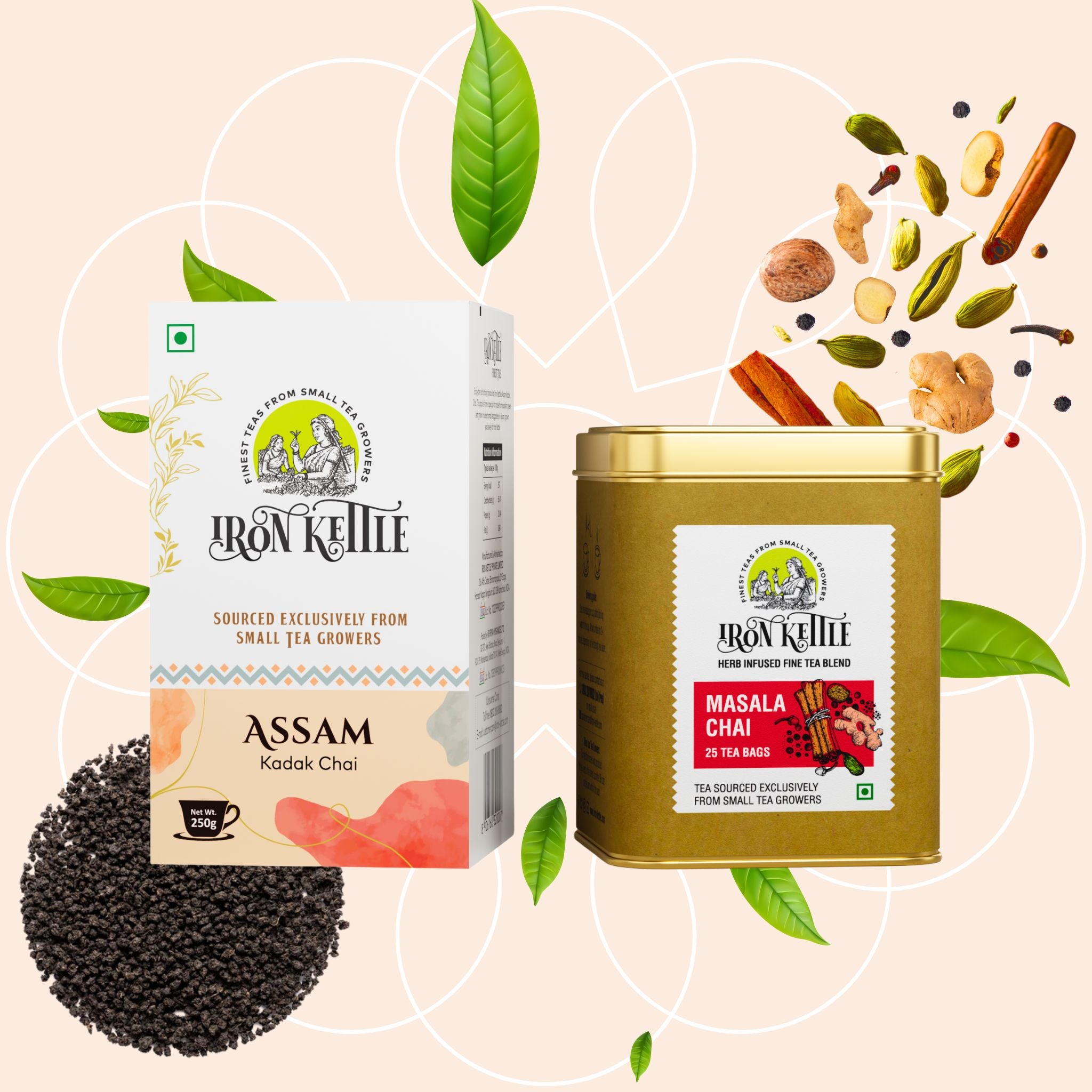
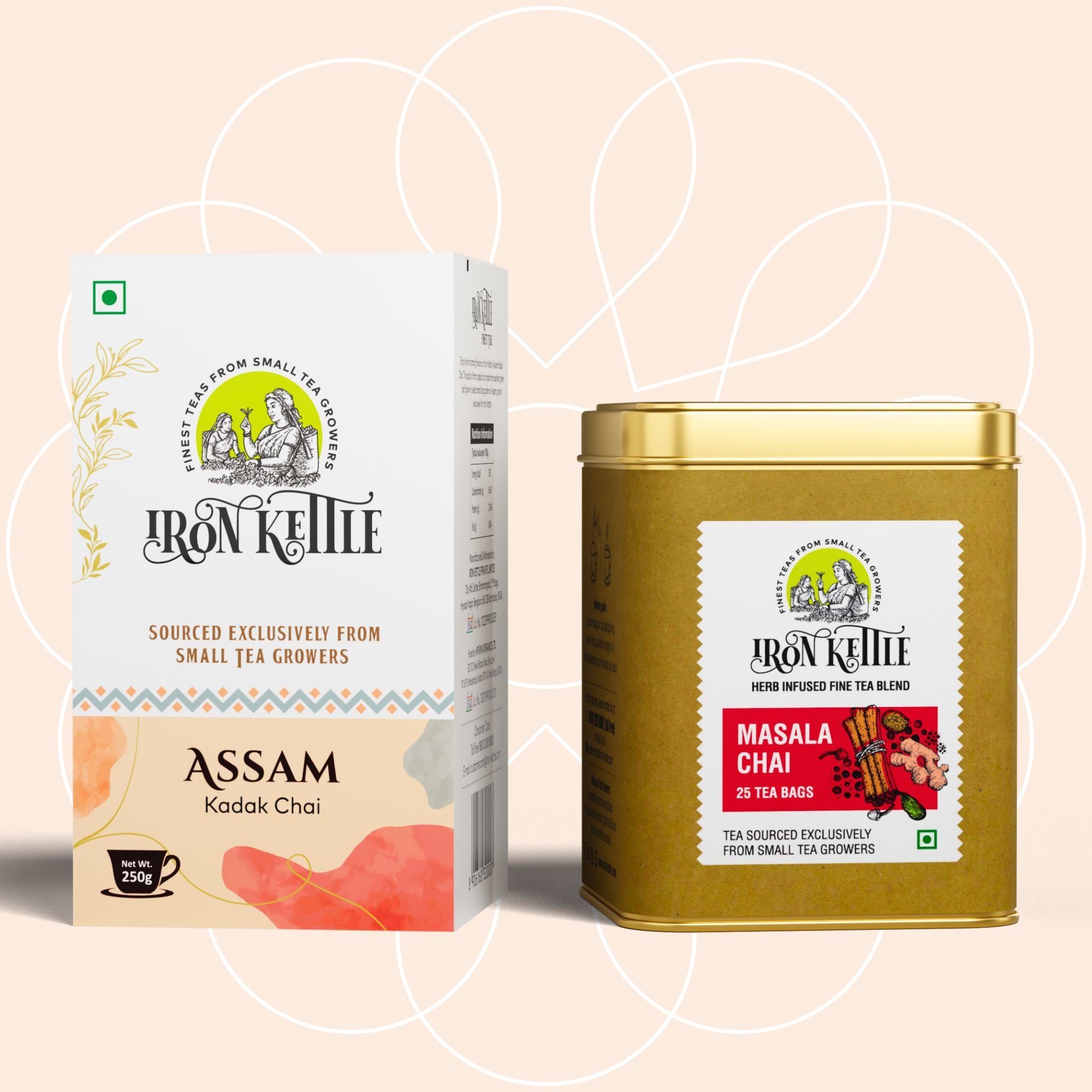
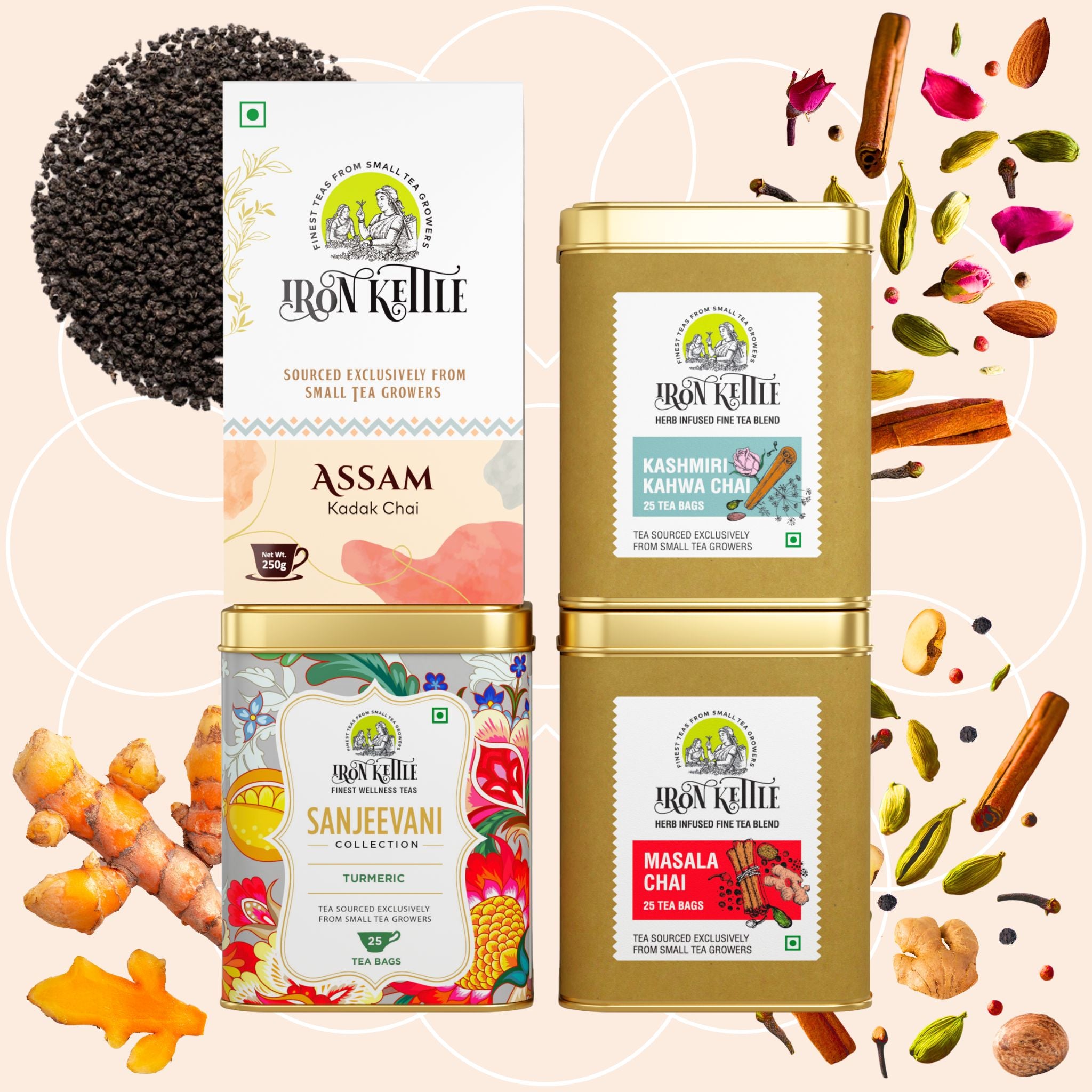
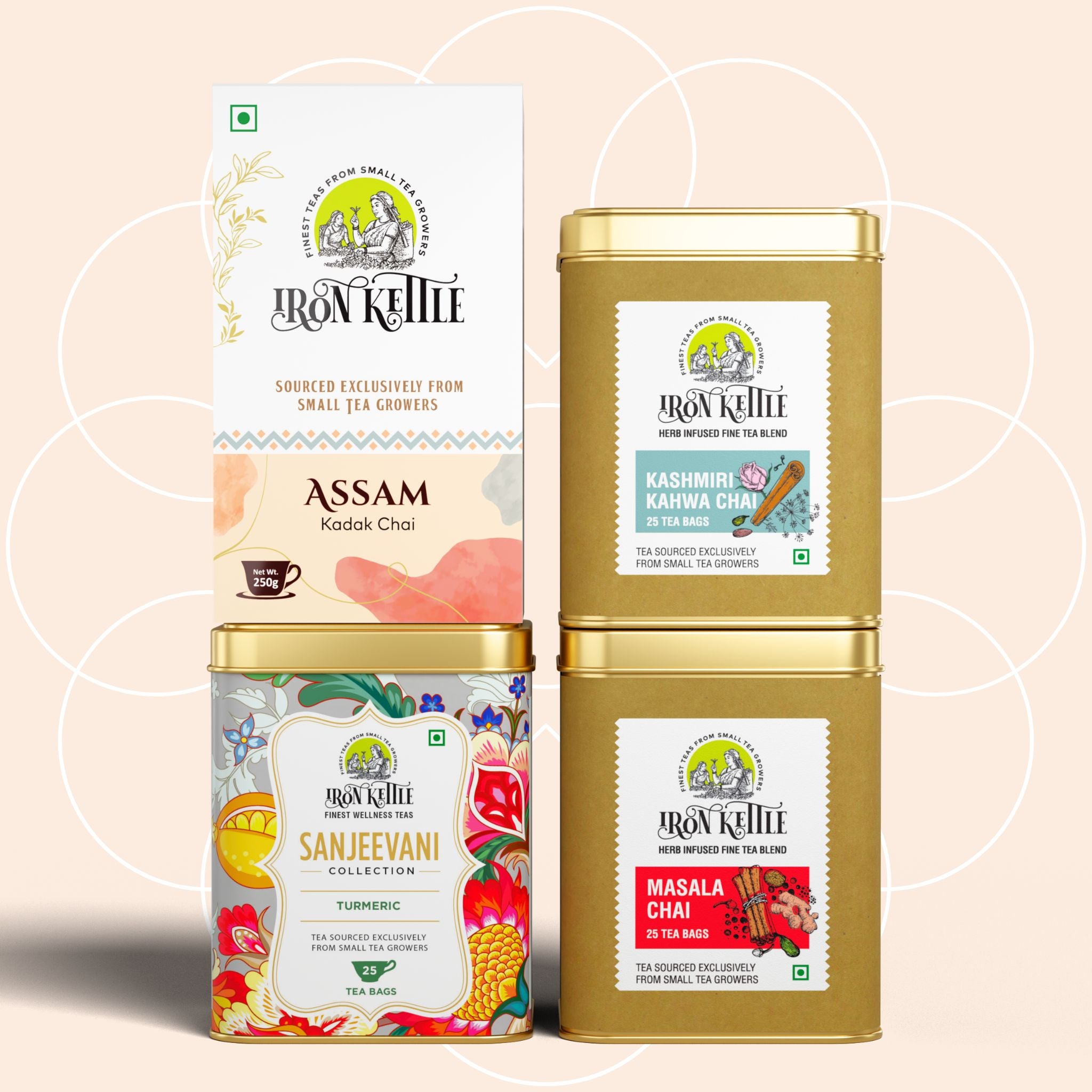
A tea like Assam Kadak Chai is meant to be strong—that’s the whole point. But strength doesn’t have to come at the cost of quality.
When a blend is made with a high proportion of fine leaves (in this case, around 72%), even a fully CTC tea can deliver:
- The boldness you expect
- The malty depth Assam is known for
- And a smoother, more flavourful cup overall
Same “kadak” experience—just with more to it.
Rethinking Your Daily Chai
The next time you make a cup, it’s worth asking:
Is this just strong?
Or is it actually well-made?
Because good chai isn’t about dialing up intensity.
It’s about getting the balance right.
The Bottom Line
Strong chai isn’t the problem. It’s part of what makes it comforting and familiar.
But the best cups go a step further.
They’re not just bold—they’re balanced, smooth, and thoughtfully made.
And once you notice the difference, it’s hard to go back.

Leave a comment
This site is protected by hCaptcha and the hCaptcha Privacy Policy and Terms of Service apply.